Annual Report 2025–26
PanghatFoundation, Annual Report 2025–26. Web edition.
The year 3,180 girls stayed in school
Water within reach and girls in class, in 64 villages of Marathwada and central Rajasthan.
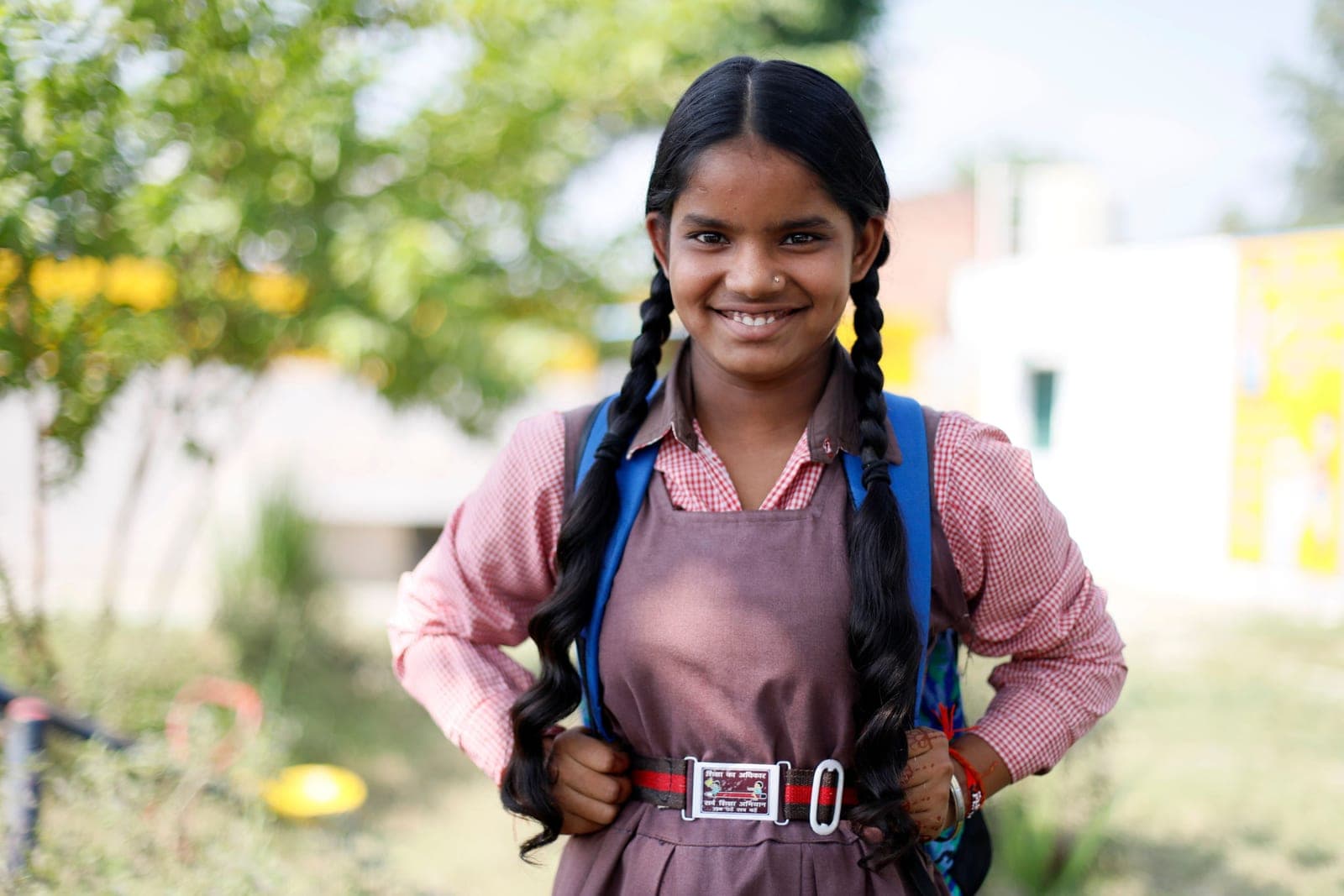
On the cover: a student on her way home from school. Photograph: 112 Uttar Pradesh, Pexels.
Who we are
A well, a school bag and a meeting under a tree
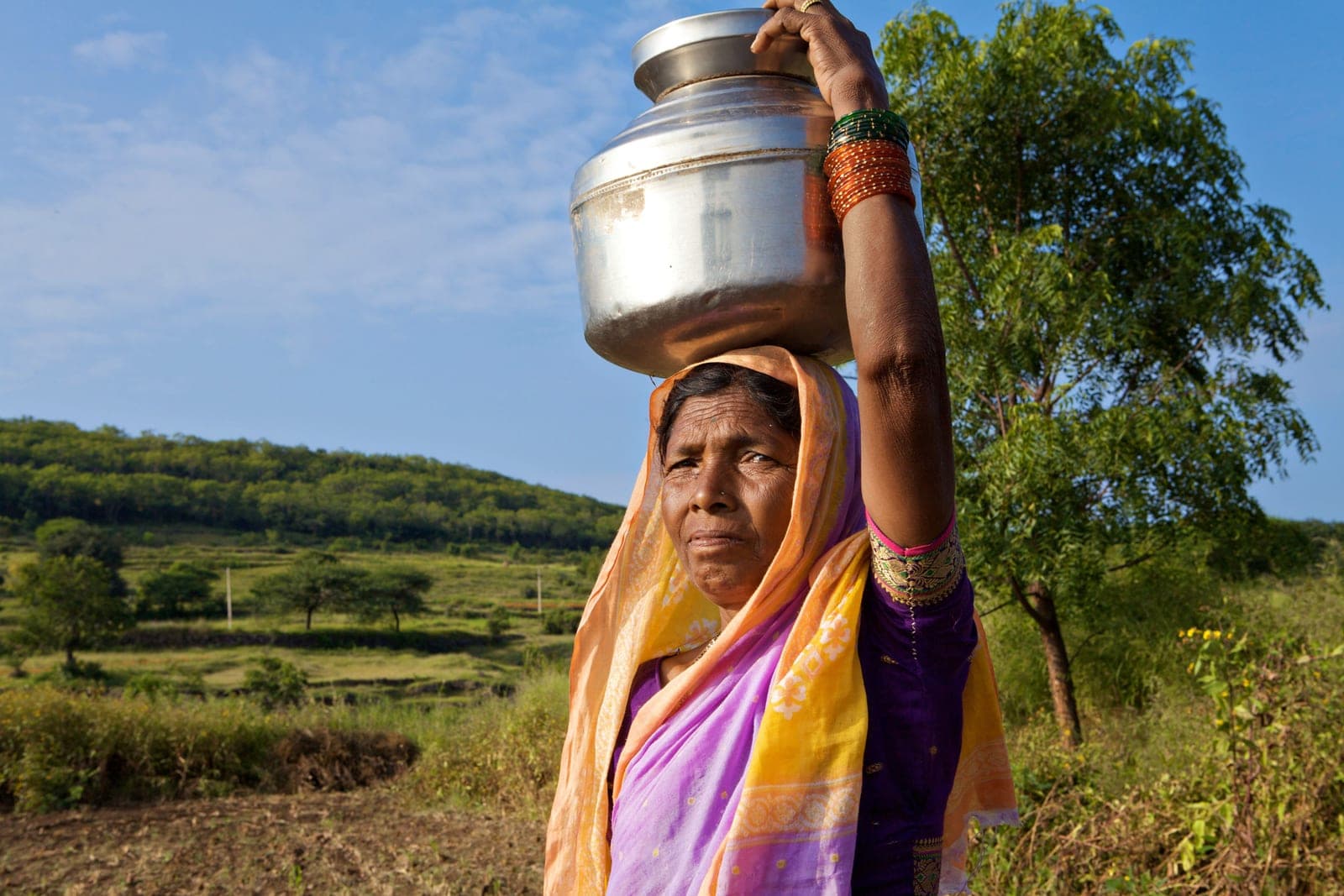
Panghat is the place at the edge of a village where women draw water. For generations it has also been the reason girls leave school: someone has to fetch the water, and in a dry year that takes most of a morning.
Panghat Foundation was registered in Pune in 2012 to work on both at once. We help villages store and clean their own water, so that fetching it takes minutes rather than hours, and we work with schools and families so that the hours saved go to a girl’s education.
Every village we work in elects a women’s water committee, the paani samiti, which owns the work after we leave. In 2025–26 we worked in 64 villages with a team of 46 staff and 128 village volunteers.
Where we work
Jalna
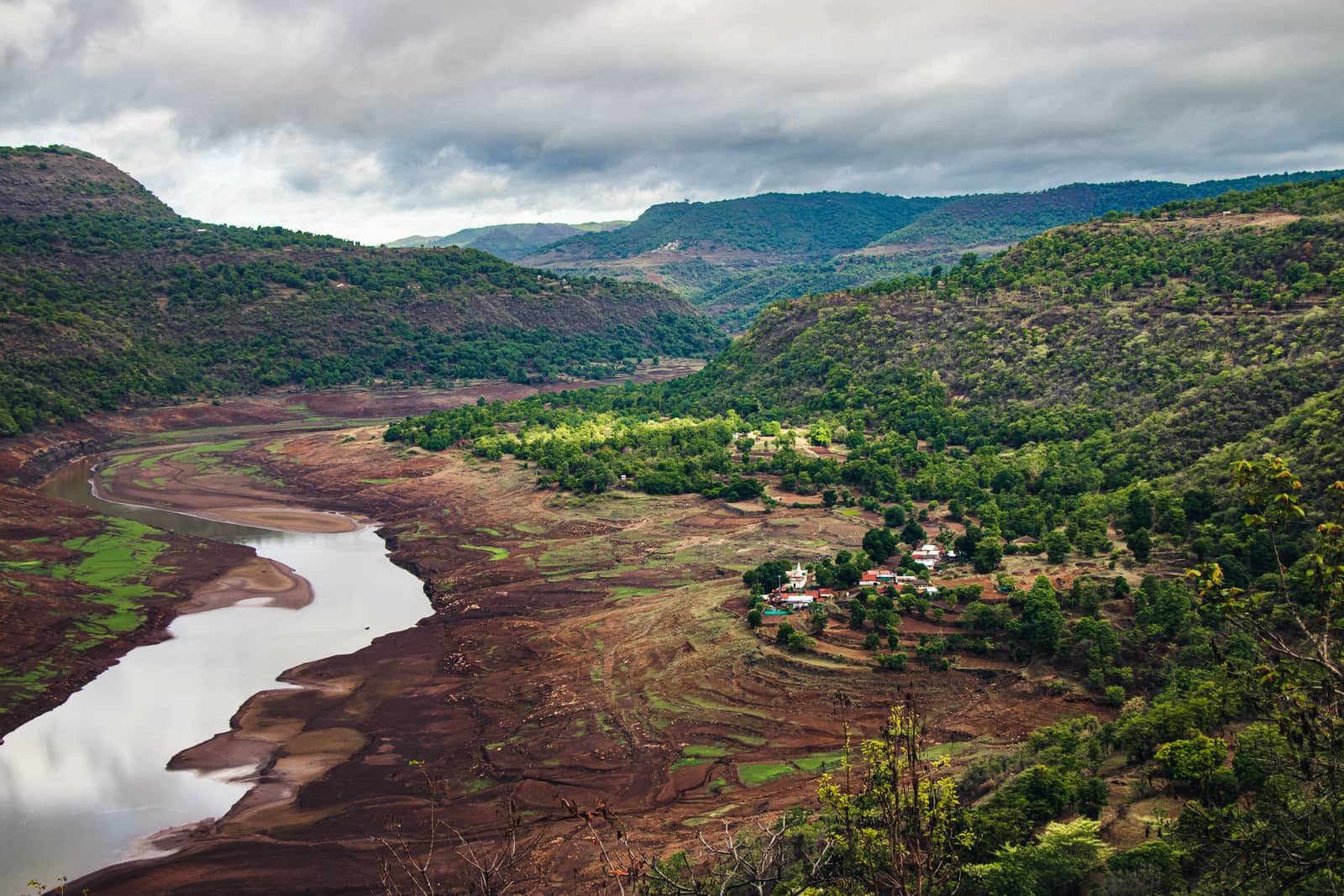
Maharashtra, 21 villagesBlack-soil plateau; about 650 mm of rain in a good year. Our oldest district: the work began here in 2012.
Beed
Maharashtra, 17 villagesDrought-prone; the monsoon has failed two years running. Water comes first here, then schools.
Ajmer
Rajasthan, 11 villagesAravalli hills; fluoride in many of the older wells. Bridge classes have run here since 2019.
Bhilwara
Rajasthan, 15 villagesHard rock; most open wells are dry by March. Our newest district, where we began in 2021.
64 villages, 2 states, 4 districts. Field offices in Jalna town and Bhilwara; head office in Pune.
Design and production Designed and produced by DigiMagz, Pune, India
From the founder
A year of first times
Our founder looks back on the year the tanks filled, the girls stayed, and one district taught us a lesson.
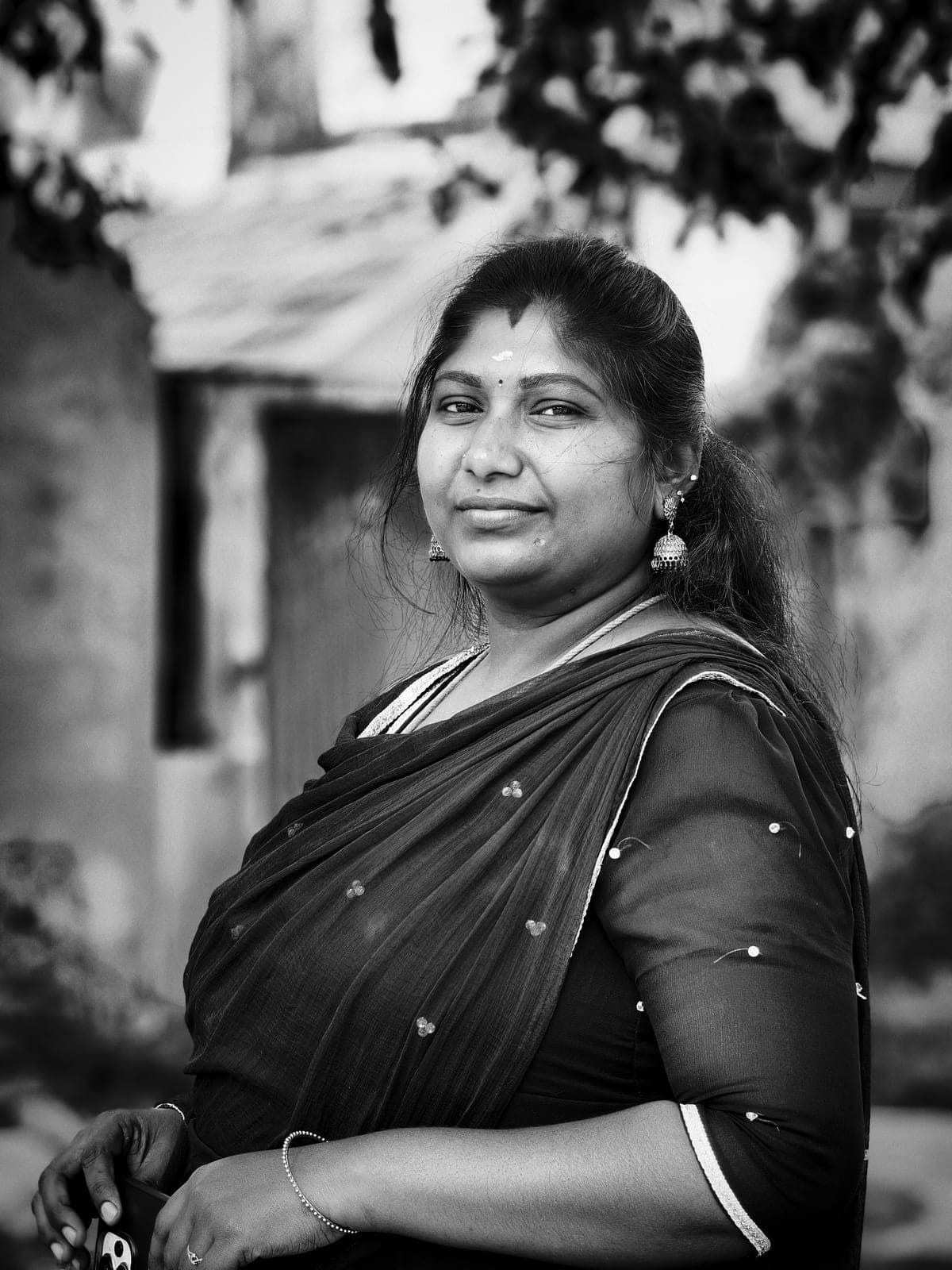
In April 2025, in a village in Bhilwara, I watched a woman named Kesar Bai open the tap on a new rooftop tank for the first time. She filled one pot, then another, and then she laughed and said she did not know what to do with the rest of her morning. Her daughter knew. She was already late for school.
This report is about that morning, repeated across 64 villages. It was a year of first times for us: the first year more than 3,000 girls attended school with our support, the first year nine in ten of the girls who finished class 8 went on to class 9, and the first year every one of our water committees was led by a woman elected by her village.
None of it was done by us alone. The tanks were dug by village labour, paid at the government’s rural wage. The bridge classes are taught by young women from the same villages, several of them our own former students. The water committees decide what is built, where and when; our engineers advise them.
We also had a hard year in Beed, where the monsoon failed for the second time and four of our tanks stood half empty in May. We have learned from it, and in the pages on water we say what we will do differently.
Thank you to every donor, partner, teacher and volunteer who made this year possible. I hope you will read the stories here, check our numbers, and ask us hard questions. That is how we get better.
Lata Jadhav
Founder and chief executive, Pune
The year in numbers, April 2025 to March 2026
girls attended school with our support, 1,940 in Maharashtra and 1,240 in Rajasthan. 612 of them had dropped out before they joined a bridge class.
All figures in this report are invented for a design sample, and are consistent with each other.
- 64villages
- 38 in Jalna and Beed, Maharashtra; 26 in Ajmer and Bhilwara, Rajasthan.
- 91%of girls moved from class 8 to class 9
- Up from 74% in 2023–24, in the same villages.
- 118water structures built or repaired
- 52 rooftop tanks, 41 well-recharge pits, 25 village ponds desilted.
- 4.1 crorelitres of new storage
- Enough for 2,300 families through a dry summer.
- 55 mina day fetching water
- Down from 2 hours 40 minutes, in the 38 villages where the works are complete.
- 512women on 64 water committees
- Eight elected members in every village, all of them women.
- 940bicycles
- For girls whose secondary school is more than three kilometres from home.
- 1,450water tests
- Every source tested twice a year; 11% failed and were treated or closed.
Programme 1. Water
Water within reach
In 38 villages the walk for water fell from nearly three hours a day to under one. Here is how, and what went wrong in Beed.
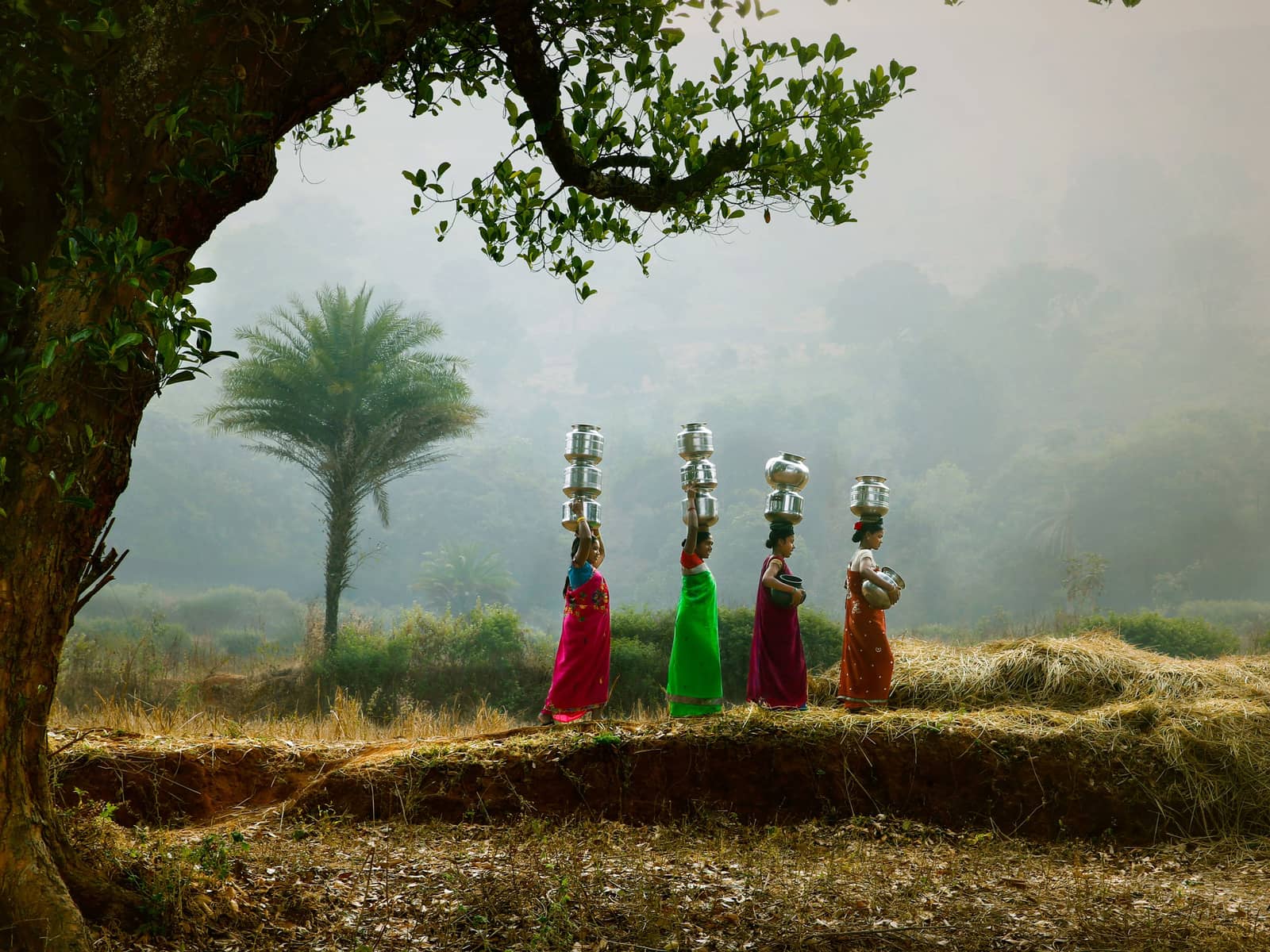
Most of the villages we work in sit on hard rock. The monsoon falls in three months and runs off within days; by March the wells are dry and the handpumps bring up air. For the rest of the year, water comes from a tanker, a far-off well, or a river bed dug by hand.
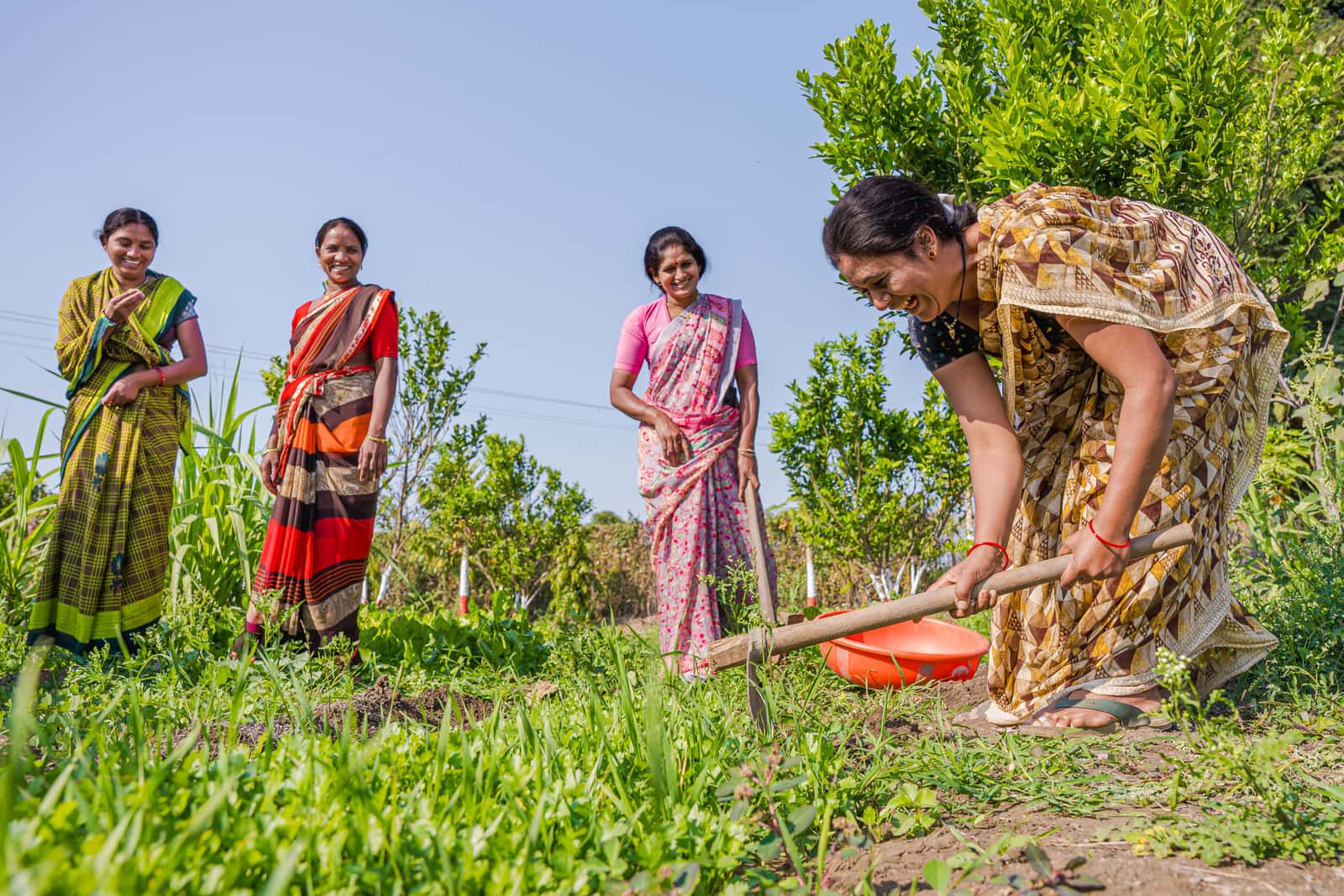
Our answer is not one big scheme but many small ones, chosen by each village’s water committee: a tank on every second roof, a recharge pit beside each dying well, a pond cleared of silt before the rains.
What we built
In 2025–26 the committees chose 118 structures. The 52 rooftop tanks, called taankas in Rajasthan, each hold 10,000 litres from a single good monsoon and serve two or three households until April. The 41 recharge pits send roof and road water back into the ground beside open wells, which now hold water six to eight weeks longer than before. The 25 ponds were desilted by village labour, and the silt went onto the fields.
The hours it saves
We asked 1,200 households, before and after the works, how long the women and girls spent fetching water. In the 38 villages where every planned structure is complete, the answer fell from 2 hours 40 minutes a day to 55 minutes. In a school year, that is about 300 hours for every family.
What went wrong
Beed had its second weak monsoon in a row. Four tanks there were half full in May, and two villages went back to a tanker for six weeks. We are now pairing every new tank in Beed with a recharge pit, so that a weak year still fills the ground if not the tank, and we have stopped building tanks on roofs smaller than 40 square metres.
Clean, not just close
Water close to home is only useful if it is safe. Volunteers tested every source twice in the year: 1,450 tests in all. One in nine failed, mostly for bacteria after the rains; those sources were chlorinated and retested, and three wells with high fluoride were closed for drinking.
Programme 2. Girls in school
Back to class
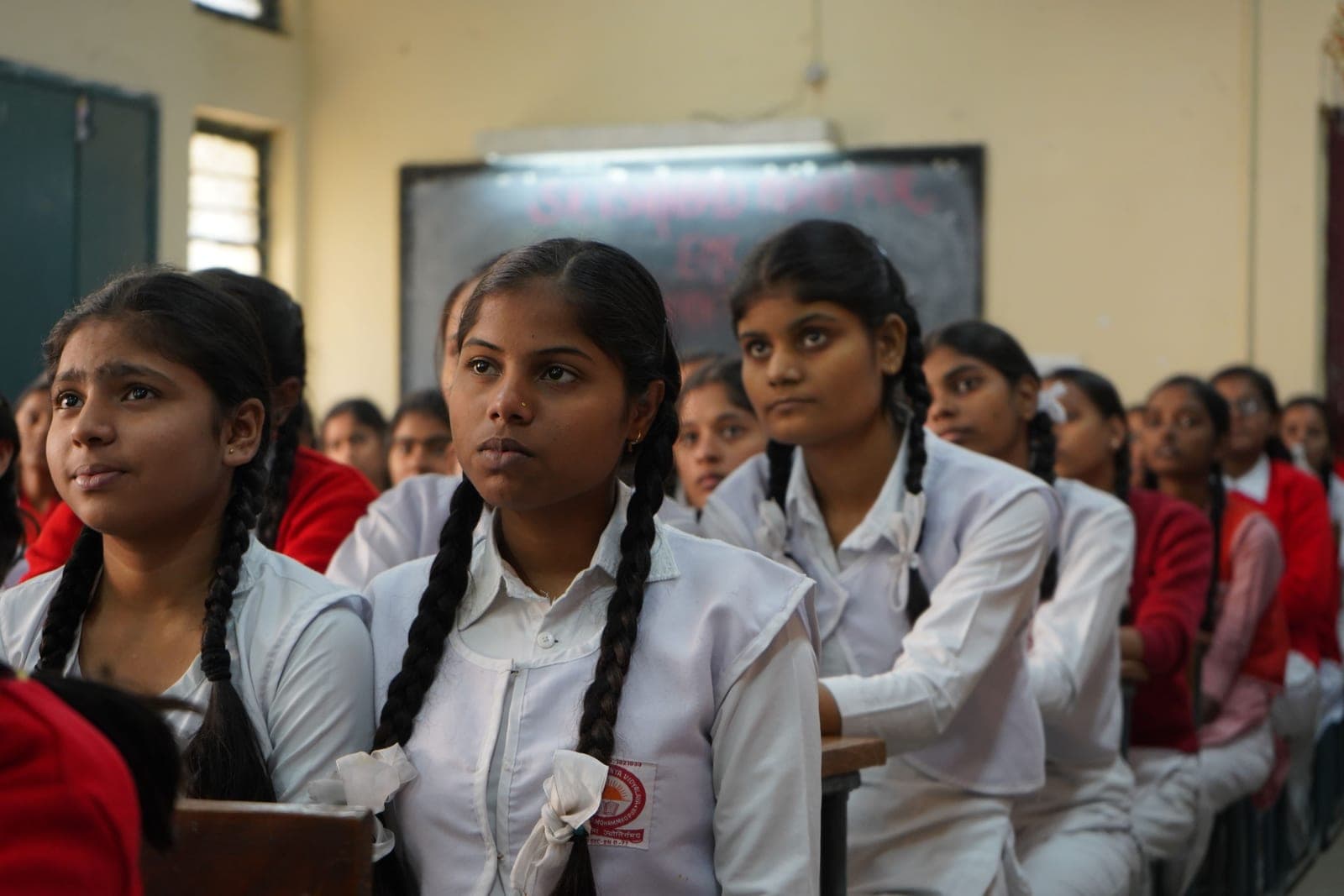
Most girls in our villages finish primary school. The trouble starts at fourteen, when the village school ends at class 8 and the next one is a bus ride or a long walk away. That is the age at which a girl is old enough to fetch water and young enough to be kept at home without anyone asking why.
We work on that year. In every village a school coordinator, usually a young woman who studied there herself, keeps a list of every girl in classes 6 to 9 and visits any family whose daughter misses a week.
Bridge classes
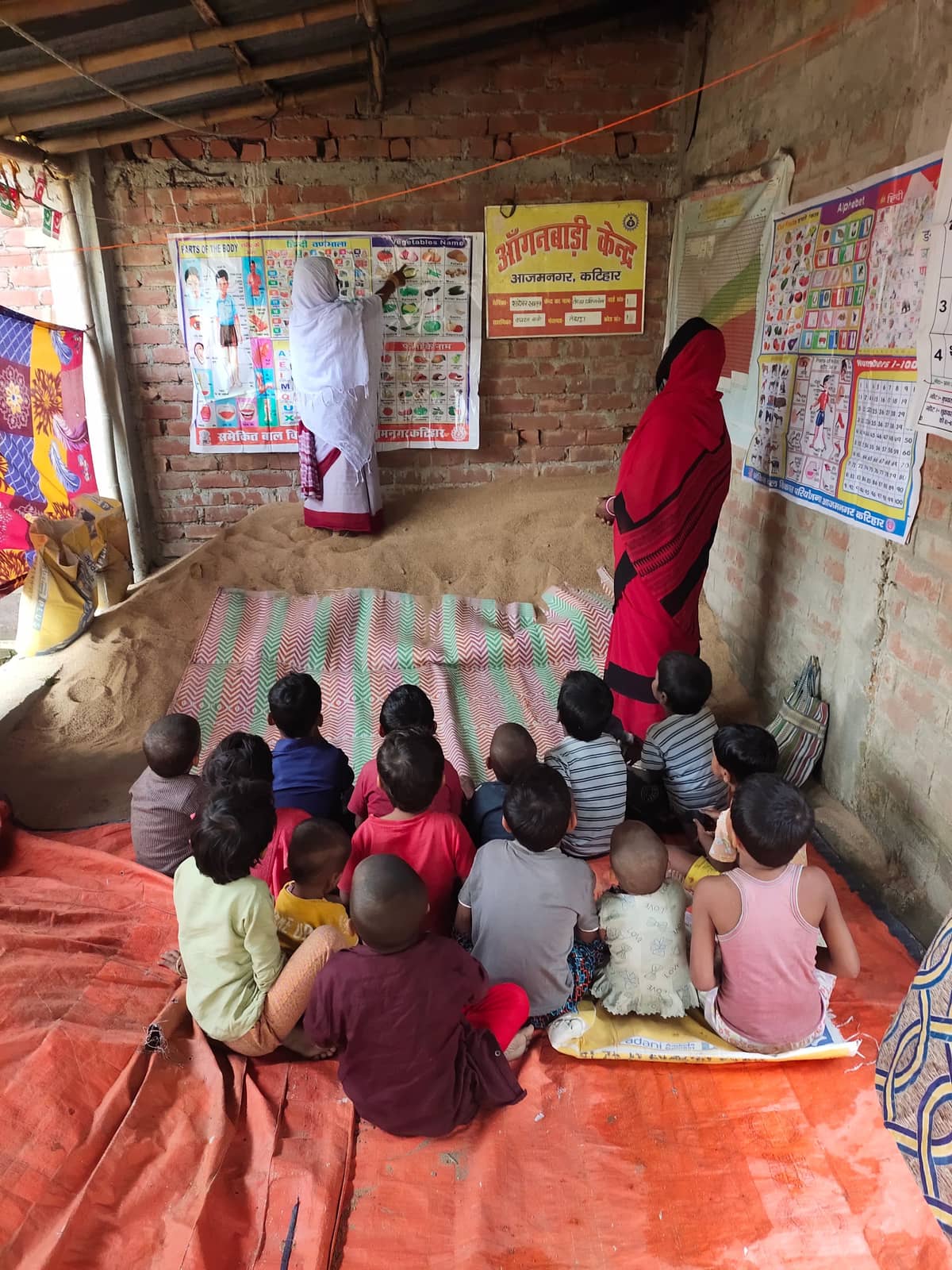
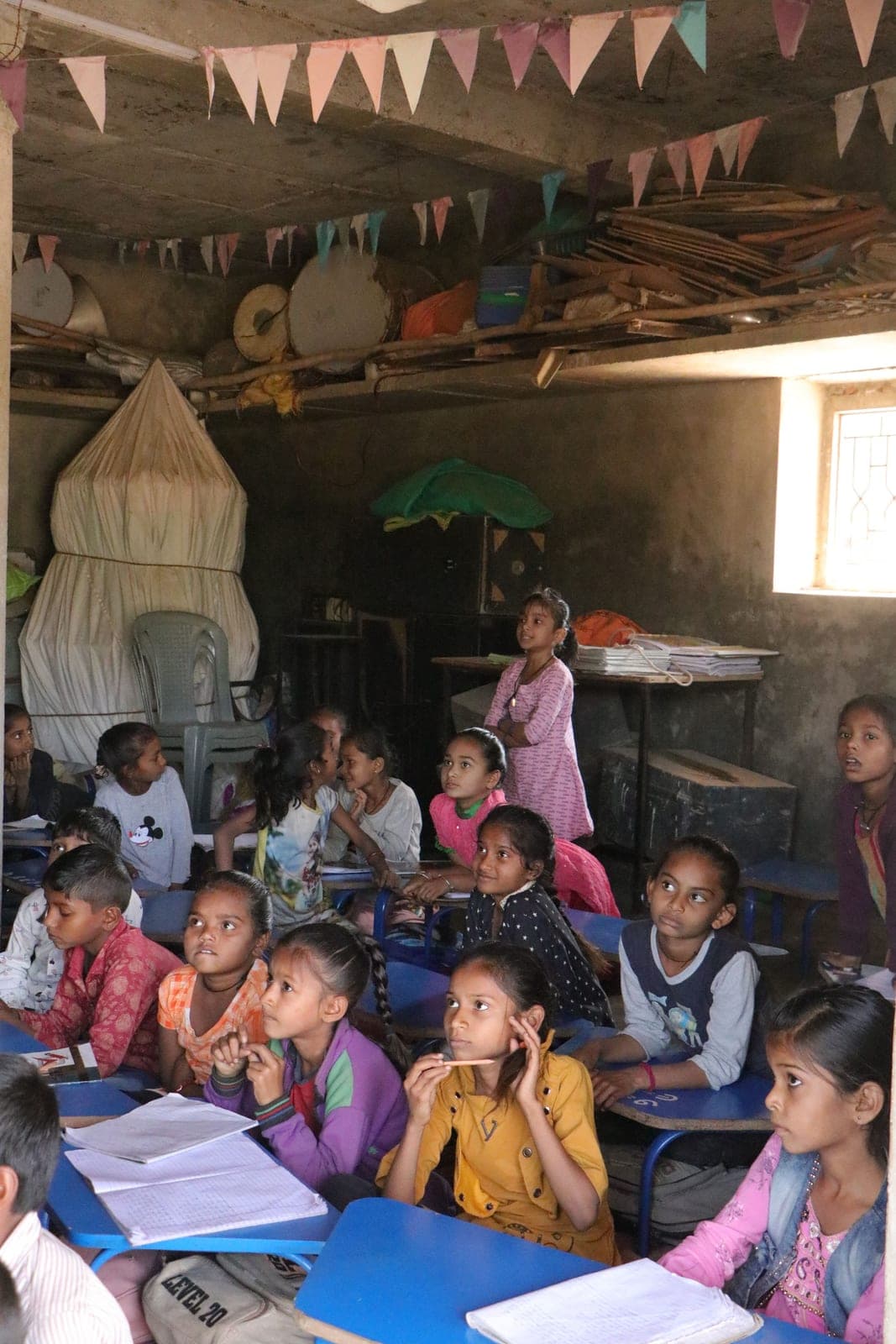
For girls who have already dropped out, we run evening bridge classes in 46 centres: two hours a day, six days a week, in a room lent by the panchayat. A girl studies there for six to twelve months, sits the exam for the class she left, and goes back to school in the right class for her age. This year 612 girls went back.
Bicycles and buses
Distance is the other reason girls stop. We gave 940 bicycles to girls whose secondary school is more than three kilometres away, each with a lock, a lamp and a year of repairs, and in eleven villages we pay half the fare for a shared van that the parents run themselves.
Turn to what changed.
Girls in school, continued
Nine in ten now reach class 9
The number that matters most to us is the move from class 8 to class 9. In 2023–24, 74 of every 100 girls who finished class 8 in our villages enrolled in class 9. This year it was 91.
We count the girls by name, not by survey: the coordinators check every name against the secondary school’s register in July and again in December. A girl who enrolled but stopped attending by December is counted as having dropped out.
The coordinators
Each of our 64 school coordinators looks after one village and about fifty girls. Most are between 19 and 26, and 41 of them went to school in the village they now work in. They are paid an honorarium, carry a register and a phone, and meet the head teacher every month. Two of them have since joined the government school system as teachers.
What helped most
When we asked the families, the answers were plain. The bicycle was named first by girls who live far from school; the water was named first by their mothers. Fathers most often named the coordinator, who came to the house and kept coming.
What did not
Our after-school tuition in mathematics, tried in twelve villages, made little difference to marks and cost more than any other part of the programme. We have stopped it and moved the money to the bridge classes, which have a waiting list in Bhilwara.
Programme 3. The paani samitis
The women who hold the key
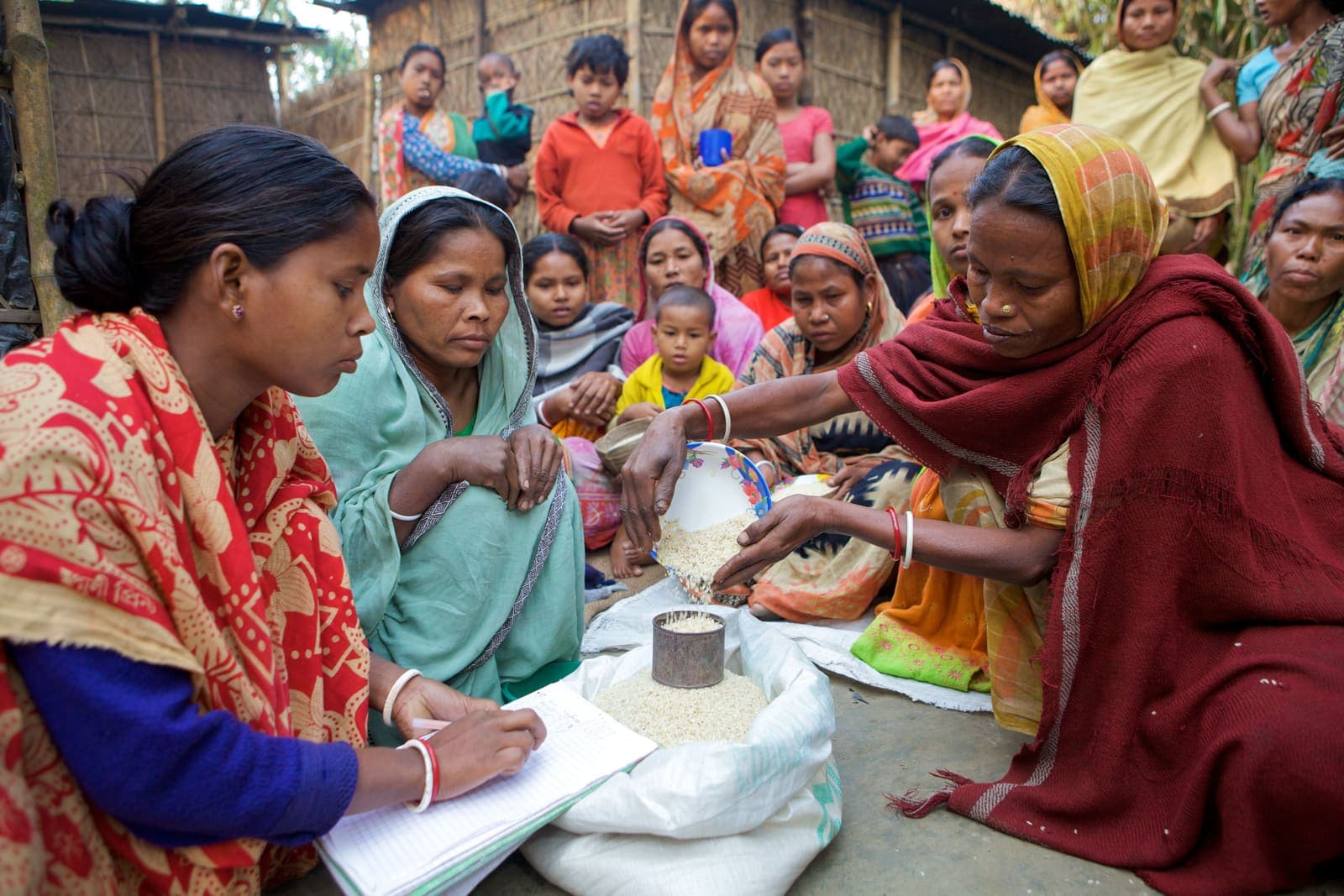
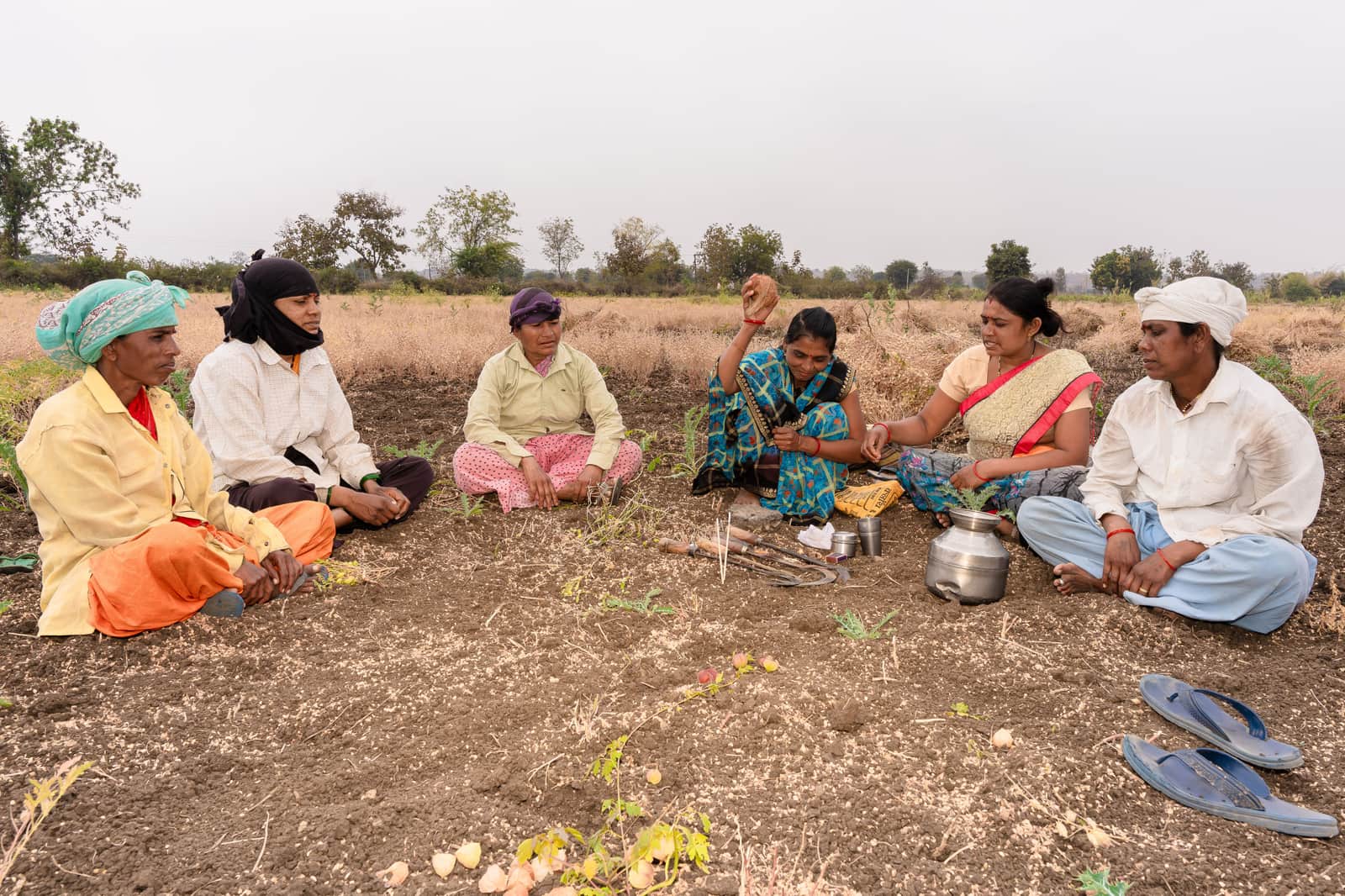
Every village we work in elects a paani samiti, a water committee of eight women, at an open meeting called by the gram sabha. The committee decides what is built, checks the work, keeps the accounts and, once a structure is finished, owns it. Our engineers advise; the committee signs.
This year 512 women sat on 64 committees. Their average age was 38, and one in three could not read when she joined. Each committee keeps its accounts in a ledger with pictures for every heading, and reads them aloud at the village meeting every quarter.
Money of their own
Each household pays the committee ₹20 a month for upkeep. By March the committees held ₹41.6 lakh between them in their own bank accounts, enough to repair every tank and pump they own for at least three years. In nine villages the committee has gone further and pays a local plumber a monthly fee.
Beyond water
We did not plan the next step. In 22 villages the committee women stood for the panchayat, and 14 were elected. Several now chair the panchayat’s education committee, which is how three villages got a school bus this year.
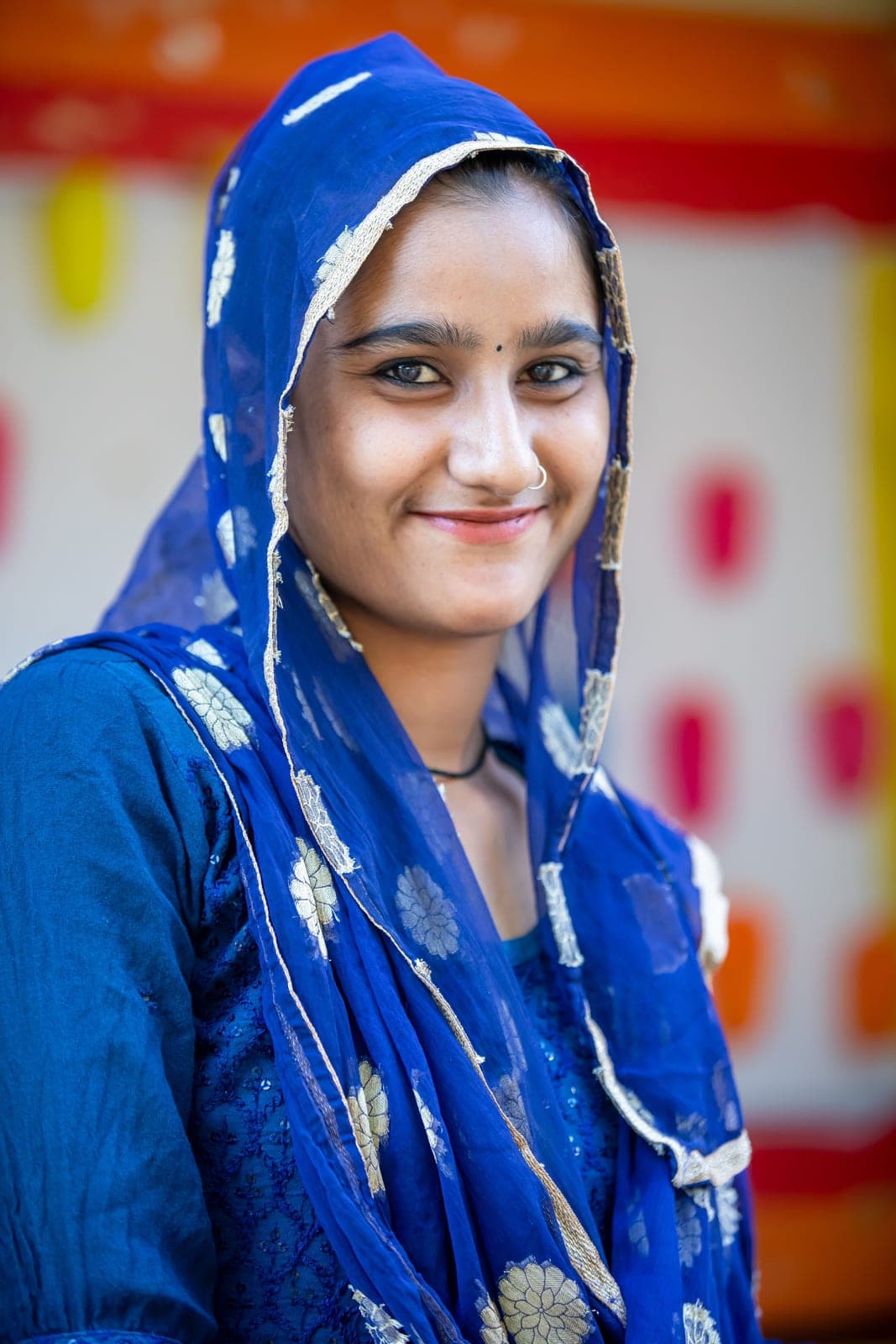
One student’s year
Sunita’s year
She left school at fourteen to fetch water. At nineteen she is training to teach.
Sunita grew up in a village in Bhilwara where the well was a forty-minute walk away. When she finished class 8 at fourteen, the nearest secondary school was seven kilometres off, her mother had a new baby, and someone had to fetch the water. She stayed home for two years.
In 2022 a coordinator from her village, a young woman who had been through our bridge class herself, came to the house three times before Sunita’s father agreed to let her join the evening class. “I was embarrassed at first,” Sunita told us. “The other girls were younger. Then I was the one helping them with fractions.”
She went back to school in class 9 the next June, on one of the first bicycles we gave in her district. The same year her village built eleven rooftop tanks, and the walk for water became a walk across the courtyard.
In 2025 she passed class 12 with 78 per cent, the first woman in her family to do so. She is now in the first year of a two-year teacher-training course in Bhilwara town, and on weekends she teaches the bridge class where she started.
Her mother, who never went to school, keeps Sunita’s class 12 mark sheet in a plastic folder with the family’s ration card. Her father, who once said a girl did not need more than class 8, now tells his neighbours how far the bridge-class teacher has come. She is saving for a laptop.
“My sister is in class 6,” she said. “She has never fetched water before school. She does not know that she is lucky.”
About this story
Sunita’s name and her village’s name have been changed. She and her parents read this story in Hindi before it was printed and agreed to its publication. We do not publish photographs of the girls we work with without their own and their parents’ written consent.
What changed
Our results, measured against our own targets
5 of 8 targets met
| Measure | Target | Result | Verdict |
|---|---|---|---|
| Girls supported in school | 3,000 | 3,180 | Met |
| Class 8 to class 9 transition | 88% | 91% | Met |
| Girls back in school from bridge classes | 650 | 612 | Missed by 38 |
| Water structures completed | 130 | 118 | Missed by 12 |
| Villages with completed works | 40 | 38 | Missed by 2 |
| Women on water committees | 512 | 512 | Met |
| Water sources tested twice | 100% | 100% | Met |
| Committee funds held, ₹ lakh | 35 | 41.6 | Met |
- 89% passed
- safe to drink as drawn
- 11% failed
- mostly bacteria after the rains; chlorinated, retested and passed, except three wells closed for fluoride
- Our own former students19
- Graduates from the same village17
- Teachers from nearby towns10
How we measure
Targets are set each April by the board with the field teams and published on our website. Results are counted by name or by structure, never estimated: a structure counts as complete only when the water committee has signed for it, and a girl counts as in school only if she is on the register and attending in December.
Where we fell short
We built twelve fewer structures than planned, almost all in Beed, where we held back work until the committees had chosen sites that would still fill in a weak monsoon. The bridge classes fell 38 girls short because two centres in Ajmer opened four months late. Both are in our targets for 2026–27.
Checked from outside
Every second year an independent evaluator visits a random sample of villages. The next evaluation, of 20 villages, begins in November 2026, and its report will be published in full.
Money in, money out. Year ended 31 March 2026. Amounts in ₹ lakh
Where every rupee came from, and where it went
Sample figures. Panghat Foundation is fictional and so are these accounts; they are consistent with each other and with the rest of this report.
65% came from grants by foundations and company CSR budgets
Money in
Total ₹642.0 lakh. Tap a slice or a row to read it.
| Heading | ₹ lakh | Share |
|---|---|---|
| 418.0 | 65.1% | |
| 126.5 | 19.7% | |
| 61.2 | 9.5% | |
| 36.3 | 5.7% | |
| Total | 642.0 | 100.0% |
88% of spending went directly to the three programmes and to health and safe travel
Money out
Total ₹620.0 lakh. Tap a slice or a row to read it.
| Heading | ₹ lakh | Share |
|---|---|---|
| 236.0 | 38.1% | |
| 198.4 | 32.0% | |
| 61.4 | 9.9% | |
| 52.6 | 8.5% | |
| 49.6 | 8.0% | |
| 22.0 | 3.5% | |
| Total | 620.0 | 100.0% |
The surplus
Income exceeded spending by ₹22.0 lakh. It goes to a reserve that the board has set at three months of running costs, so that teachers and field staff are paid on time when a grant arrives late. At 31 March the reserve stood at ₹118 lakh, a little under two and a half months.
What it costs
A year of support for one girl in school, including her share of the coordinator, the bridge class and the bicycle, cost ₹6,240. A 10,000-litre rooftop tank cost ₹38,500 to build, of which the household paid ₹4,000 in labour.
Audited
In a real report this page carries a summary of the audited accounts, the auditor’s name and the registration numbers under which donations are received. This sample shows none of them.
| Year | Income | Spending | Surplus |
|---|---|---|---|
| 2021–22 | 318.4 | 301.2 | 17.2 |
| 2022–23 | 402.7 | 389.5 | 13.2 |
| 2023–24 | 468.1 | 455.0 | 13.1 |
| 2024–25 | 551.3 | 540.8 | 10.5 |
| 2025–26 | 642.0 | 620.0 | 22.0 |
Reading these accounts
Grants are counted in the year they are spent, not the year they arrive: ₹54.0 lakh received for work in 2026–27 is held as deferred income and does not appear above. Tanks and bicycles count as programme spending in the year they are built or given.
Thank you
Donors and partners
Foundations and company CSR
A Pune engineering company’s CSR foundation, our largest supporter since 2016, for water in Jalna and Beed. A family foundation in Mumbai, for the bridge classes. A bank’s CSR programme, for 600 of this year’s bicycles. A trust set up by a Jaipur textile family, for the work in Bhilwara. An international water charity, for testing kits and training.
Government and panchayats
Thirty-one gram panchayats co-funded tanks and ponds from their own budgets. The rural employment guarantee scheme paid the wages for pond desilting in 19 villages. District education offices in Jalna and Ajmer lent rooms for 30 of the bridge classes.
Partners
A Pune college of engineering, whose students surveyed 40 wells. A district hospital, for the adolescent health sessions. A cycle dealer in Bhilwara, who services every bicycle we give at cost.
Individual donors
1,860 people gave to Panghat this year, most of them less than ₹5,000. Four hundred of them give every month. Among them are 212 people who grew up in the villages where we work and now live in Pune, Mumbai, Jaipur and the Gulf.
A note on names
Donors and partners are described here, not named; in a real report they are named with their permission.
How we are run
The board and the rules it keeps
- Dr Sunanda Patwardhan
- Chair. Retired public-health doctor; on the board since 2012.
- Kiran Mehta
- Treasurer. Chartered accountant; chairs the audit committee.
- Prof. Arvind Kale
- Hydrogeologist; advises on every water plan.
- Nasreen Shaikh
- Principal of a girls’ secondary school in Aurangabad.
- Bhanwari Devi Meena
- Former chair of a water committee in Bhilwara.
- Lata Jadhav
- Founder and chief executive; not a voting trustee.
Governance
Panghat Foundation is a public charitable trust registered in Pune in 2012. The board meets four times a year; trustees are unpaid and serve terms of three years. Accounts are audited every year by an independent firm of chartered accountants.
Policies
Child protection, prevention of sexual harassment at work, conflict of interest and whistle-blowing policies apply to every staff member and volunteer, and are published on our website.
Safeguarding and complaints
Anyone, whether a girl, a parent or a volunteer, can raise a concern by phone or in writing with a named trustee rather than with staff. Three concerns were raised in 2025–26; all were investigated within 30 days, and two led to changes in how the evening classes close.
People and pay
46 staff, 31 of them women, and 128 village volunteers who receive an honorarium. The highest salary is 5.8 times the lowest. No trustee or relative of a trustee is paid by the foundation.
How to give
₹6,240 keeps one girl in school for a year
₹1,500
a bicycle lamp, lock and a year of repairs
₹6,240
a year in school for one girl
₹38,500
a 10,000-litre rooftop tank
Give once or every month
Gifts of any size are welcome. Monthly gifts help most, because they let us promise a teacher a year’s salary.
Account details on request
We do not print bank details in this report. Write to us and we will send our account details with a receipt for your gift.
Gifts in kind
Bicycles, books and water-testing kits are welcome. Please write first, so that we can tell you what a village needs and send it where it will be used.
Visit us
Donors are welcome in the field. A day in a Jalna village can be arranged from Pune with two weeks’ notice.
Write to us
give@panghat.example
Panghat Foundation, Pune, Maharashtra
In this sample
Panghat Foundation is fictional. The .example address does not work, and no money can be given through this page.
DigiMagz, magazine studio, Pune
Your annual report, designed in India. This is a sample issue designed and produced by DigiMagz, a magazine design studio in Pune, India.
Magazines, annual reports, brochures, catalogues and keepsakes for organisations in India and abroad.
Panghat Foundation is fictional, and every figure, name and account in this report is a sample, invented to show how a real report reads on the web.
Want your annual report like this?Panghat Foundation, Annual Report 2025–26. Sample issue, not for sale. Photographs licensed from Pexels and credited inside. Titles, people and organisations named in this issue are fictional. DigiMagz is a studio of Baidehi Ravanari Atelier, Pune.